Articles

Restaurant QR menus

QR Menus: How Restaurants Can Benefit

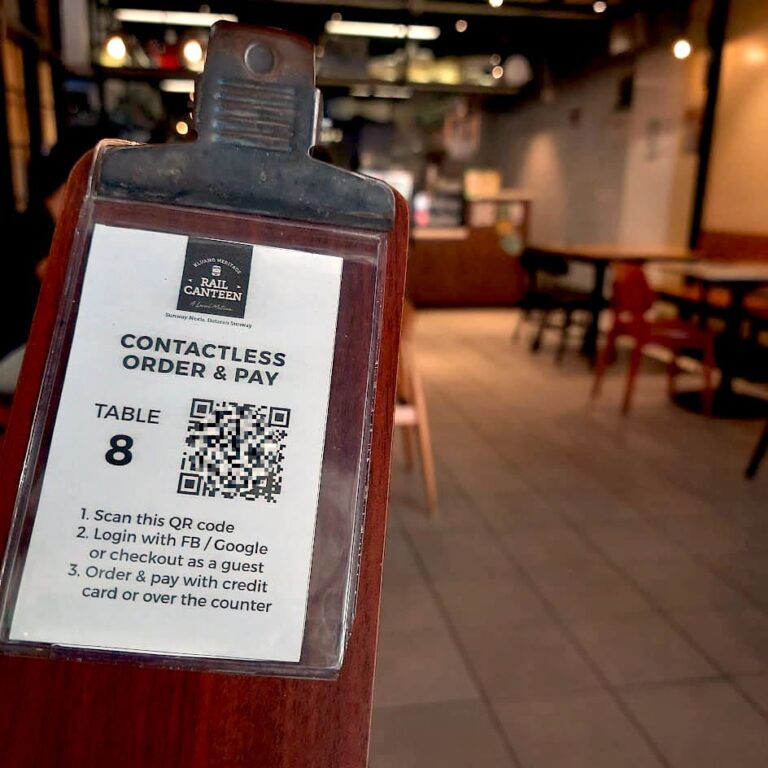
In recent years, QR (Quick Response) codes have become increasingly popular as a way for businesses to offer digital menus to their customers. Restaurant QR menus offer a number of advantages, including the ability to reduce contact between staff and customers, improve the ordering process, and offer a more personalized experience for diners. QR Menus Creates A Safer Ordering Experience One of the primary advantages of using QR menus is the ability to reduce contact between staff and customers. In the wake of the COVID-19 pandemic, many restaurants have implemented measures to reduce the risk of transmission, including the use of disposable menus or requiring customers to order at the counter. By offering a QR menu, restaurants can allow customers to browse and order from their own devices, reducing the need for staff to handle menus and reducing the risk of transmission. QR Menus Improves The Ordering Process Another advantage of QR menus is the ability to improve the ordering process. With a traditional menu, customers may have to wait for a server to take their order or may struggle to get the attention of staff if they have questions about the menu. With a QR menu, customers can easily browse and order at their own pace, without the need for staff assistance. This can help to reduce wait times and improve the overall dining experience for customers. QR Menus Offers A More Personalized Experience QR menus also offer the opportunity for restaurants to offer a more personalized experience for their customers. By using a QR menu, restaurants can easily update their menu items and prices in real-time, allowing them to offer promotions or specials to customers as they dine. Additionally, QR menus can be personalized to include information about allergens or dietary restrictions, making it easier for customers with specific needs to find menu items that are suitable for them. Overall, QR menus offer a number of advantages for restaurants, including the ability to reduce contact between staff and customers, improve the ordering process, and offer a more personalized experience for diners. As more and more customers become accustomed to using QR codes to access information and make purchases, it is likely that the use of QR menus will continue to grow in popularity. So, it is a good idea for restaurants to consider implementing QR menus as part of their operations.

Read More »
Restaurant Sales Conversions

How Using Large Photos Can Optimise Restaurant Sales Conversions!

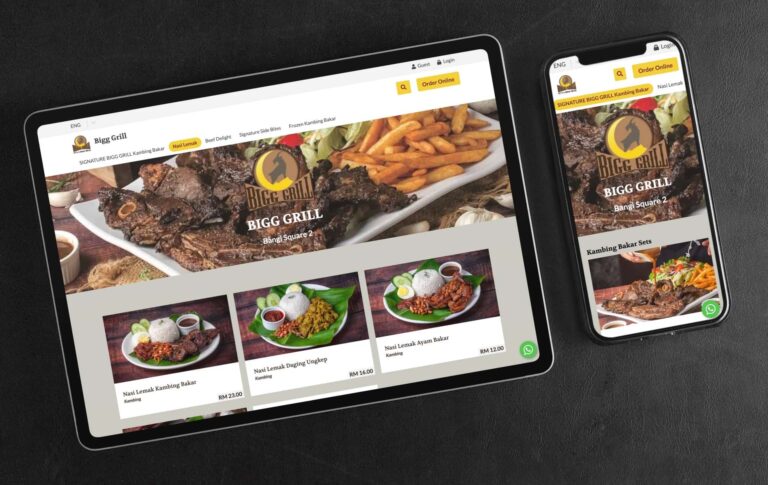
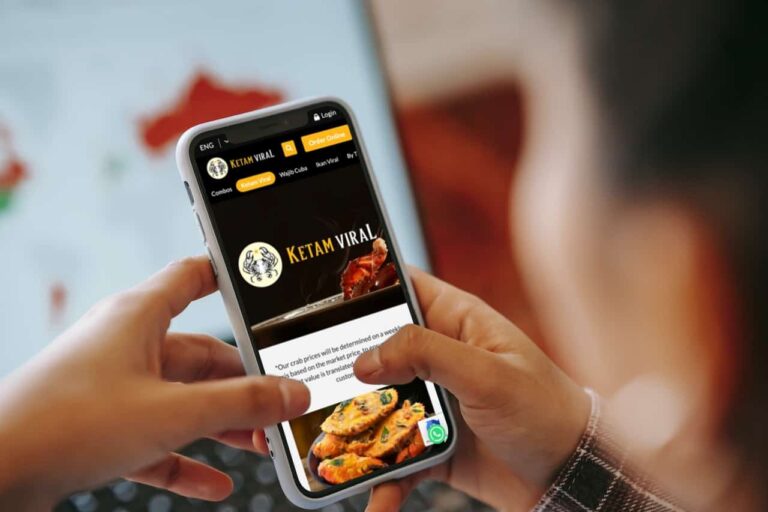
Most online food ordering platforms rely on small and eye-squinting images that don’t do justice to the food being sold. This lack of engaging visuals is a significant reason why visitors often leave those sites without making a purchase, ultimately impacting restaurant sales conversions. If you cannot visually captivate visitors in a few seconds, you have lost them and the ROI on your ad spend. At FoodVillage, we understand the importance of stunning food photography in converting visitors into customers. That’s why we offer an option to display your food photos in a large format that will truly engage your visitors and make them want to buy. In fact, studies have shown that captivating visuals are a critical component in optimising online sales conversions. So whatever digital device a customer uses, you can be assured that they will be presented with a large image format that truly represents the best possible culinary visual experience that can trigger the response you’d like from your customers. Even if they are not ready to buy, you have already left a lasting impression that would cause them to share that experience or bookmark it so that they can make the purchase another time. Here are several advantages to using large images in restaurant digital menus: 1. Improved Visual Appeal Large images can make a restaurant’s digital menu more visually appealing and attractive to customers. When customers are deciding what to order, they often rely on visual cues to help them make their decision. Large, high-quality images of menu items can help customers visualize what they will be eating and may encourage them to try something new. 2. Easier To See By using large images, restaurants can make it easier for customers to see the details of their menu items and make informed decisions about what to order. Large images can be easier for customers with visual impairments or for those using small screens on their phones. 3. Enhanced Marketing Large images can be used as a marketing tool to showcase a restaurant’s most popular or unique menu items. By highlighting these items with large, eye-catching images, restaurants can draw attention to them and encourage customers to try them. 4. Improved Customer Experience Using large images in a digital menu can improve the overall customer experience by making it easier for customers to browse and order from the menu. When customers have a positive experience with a restaurant’s digital menu, they are more likely to return and recommend the restaurant to others. 5. Increased efficiency Large images can also help to increase efficiency in the ordering process. By using images to clearly display menu items and prices, restaurants can reduce the time it takes for customers to make their selections and place their orders. This can help to reduce wait times and improve the overall efficiency of the restaurant. Here is another example of a client who is capitalising on powerful imagery to convert visitors into paying customers: Contact us today and let us show you how you can get started selling online as quickly as a day. We’ll even provide a free consultation to discuss the best way to showcase your food photos on your web store using our platform.

Read More »
Facebook Pixel Helps Restaurants

How Facebook Pixel Helps Restaurants Succeed Online

As a restaurateur, engaging with potential and current customers on Facebook is essential to your success. Did you know Facebook Pixel helps restaurants? You can use Facebook pixel to measure how well your ads are working and make sure you’re targeting the right people. Pixel is a code snippet that you add to your website. When someone visits your website, pixel fires and sends information about the visit back to Facebook. This helps us show you relevant ads for people who have visited your website. For example, if you’ve installed the pixel on your website and someone visits it after. What is Facebook Pixel? Facebook Pixel is an analytics tool that lets you measure the effectiveness of your Facebook ads. When someone visits your website after clicking on one of your Facebook ads, Facebook Pixel helps you understand what happened. For example, did that person buy something from your website? Pixel also helps you find people who have visited your website before and show them an ad for something they may have missed on their first visit. This way, you can reach more people who are actually interested in your brand or your type of food. This means you can target customers who have also shown interest in other brands that serve similar food as you do. How is Facebook Pixel Useful For Ecommerce Stores? For ecommerce websites, the Facebook pixel can be particularly useful in a number of ways: 1. Retargeting The pixel can track which products or pages people visit on your website, and then show them targeted ads as they browse Facebook. This can help bring people back to your site and encourage them to make a purchase. 2. Audience Building The pixel can help you build custom audiences based on the actions people take on your website. For example, you could create an audience of people who have visited a specific product page but have not made a purchase. You can then show them targeted ads to encourage them to complete the purchase. 3. Conversion Tracking The pixel can help you track conversions, or the actions people take on your website that you consider to be valuable (such as making a purchase or filling out a form). This can help you understand which marketing efforts are most effective at driving conversions. Facebook pixel can be a valuable tool for ecommerce websites as it can help you better understand your customers, improve your marketing efforts, and track the success of your campaigns. Unlike many other food ordering platforms, FoodVillage makes a provision for Facebook Pixel to be embedded into your restaurant web store. Contact us to find out more or to start a store within a day.

Read More »
Restaurant Data Analytics

How To Benefit From Detailed Restaurant Data Analytics

The FoodVillage food & beverage ordering platform collects very useful and detailed restaurant data analytics that will help you understand your customers and the success of a sales campaign that you may be running. 1. Viewing Sales Data By Date Ranges One very useful feature you will find is the ability to view your sales data analytics by date ranges. You can view them by year, month, week and day. The data is then displayed by revenue or number of sales and broken down into granular time segments. This data will help you understand your sales trend and customer shopping behaviour. Along with that, you will also be able to view the following data based on the date range you select: 2. Payment Methods Depending on the number of payment methods you use, you will see the breakdown of each payment method in total value and frequency of use. The payment gateways that you can use with our system include Paypal, Stripe, iPay88 and GKash. 3. Order Types There are three order types (Pickups, Deliveries and Dine-Ins) that would be displayed with the corresponding value and number of sales. The order types will help you understand what services are popular with your customers or the services that you should promote. 4. Order Status Store managers will love how easy it is to view the status of all orders at a glance from the order dashboard. FoodVillage automatically updates the status of each order in an organised fashion. From unconfirmed, to confirmed or confirmed (up-coming), to ready, to on route (for deliveries) and finally completed orders. There is also a section for cancelled orders. A store manager or the owner can access this is the order fulfilment control centre and receive an immediate reflection of how well your team is able to process and fulfil orders. 5. Item & Category Counts Item Counts display the total number of orders made for a particular dish. This information helps you to understand what are the top-selling products that you are offering. Category Counts as the name suggests present the top-performing categories. Example: you may have many types of noodles but one category for noodles. So even though you may have top selling products that are not noodles, but collectively as a category, noodles may be the top-performing category. 6. Taxes If you have activated the sales tax feature on our platform, you will be able to view the following data in this section: 7. Downloadable Data You can download Every order item in CSV format with the ability to customise what data you wish in each download. Your staff can download a total of 32 data points per order. Here are some not already mentioned above: When it comes to e-commerce, sales data analytics is key to success. You need to know who your customers are, what they’re buying, when they are buying, and more in order to make decisions about pricing, inventory, marketing, and beyond. Thankfully, you can easily analyze your web store’s data with the sales data already provided on our platform. If this isn’t sufficient for you, you will be glad to know that our system can include Google Analytics and Facebook Pixel. Contact us to find out more or to register an account today.

Read More »
grow sales with responsive websites

2 Reasons How Responsive Websites Help To Grow Sales

What Are Responsive Websites? Responsive websites are sites that respond to the size of the device it is being viewed on. This can be a laptop, desktop computer, tablet, or smartphone. You can lose customers when a bad shopping experience is presented. Conversely, you can grow sales with responsive websites as a responsive website will change the layout, text size, and images to fit the screen size of the device it is being viewed on. In a nutshell, you want to present the best possible shopping experience that keeps a visitor shopping and compels them to act. Having a responsive website design is important because visitors are viewing websites on all different types of devices. The last thing any restauranteur wants to see is when a customer has to scroll left and right and zooming in and out to see all the content It’s no secret that a good user experience (UX) is essential for any website or app. After all, if users don’t enjoy using an ordering platform, they’re not going to stick around for long. That’s why we made it critical that our FoodVillage ordering platform is responsive and looks great on all devices, from phones and tablets to laptops and PCs. In this article, we’ll discuss how you can grow sales with responsive websites. We will also throw in some tips for creating a great user experience. 1. Optimised User Experience Your customers shouldn’t have to work so hard to shop on your web store. Here are some ways you can stop losing customers if they have a bad user experience when a website is not responsive: It’s easy to find the food they are looking for Hungry customers can be ‘hangry’ and impatient and if they have to go through an obstacle course shopping experience to simply look or select what they want, they’re going to drop off your store very quickly. You only get one chance to leave a first impression. Never present a mobile user experience on tablets and desktop devices Even though 62% of Malaysians in 2021 use their mobile phones to shop, don’t miss out on the 38% who still use tablets and desktops/laptops to shop online. Reason? You can still view more information at one time on a larger screen than on a mobile platform. Only about 25% of a desktop screen is occupied if a mobile experience is presented on it. Constant scrolling up and down to view all products Scrolling up and down through a menu should be reduced as much as possible, especially on a tablet and desktop platform. A responsive website reduces this significantly, from displaying 1 product per row to 2 or 3 in a row. 2. Engaging & Captivating Product Images In the online world, the only way a visitor can ‘taste’ your food is with their eyes. Until technology is able to catch up to transfer the sense of smell and taste digitally, the only means to convert visitors to customers is through their eyes. Here’s how you can achieve this: Invest in stunning food photography A picture does paint a thousand words. The key to conversions is when a customer exchanges money for value. When you are able to increase the perceived value of a given product, customers will have no hesitation to buy from you. We are not condoning the use of trickery, all we are saying is that your food images should look as good as it tastes. Compelling food photography is truly an investment, as one product photo will continually sell for you for months or years. Conversely, having bad photos could be the very reason why you are not enjoying the sales you would like to have. Images are large and have a high resolution Ever tried buying a product when the images are the size of a small app icon on your phone? So small in fact, you don’t really know what you’re getting. Even worse when all you see is a catalogue of small images of food. Conversely, visit any fast food restaurant’s web store and you’ll notice one thing, food images are sharp, large and even mouth-watering. This is the reason why we provide the option for our clients to present sufficiently large food images on our food ordering platform and on a mobile, the size is from edge to edge.

Read More »
Restaurant digital menu

10 Amazing Benefits Of Using Digital Menus For Restaurants

In today’s digital age, customers expect to be able to order food from their smartphones with the touch of a button. A digital menu can help your restaurant keep up with the latest trends and satisfy your customers’ desires. With our digital menus, you can customize your orders according to each customer’s preference, and say goodbye to human errors!  We personally witnessed the benefits of digital menus in one of our client’s outlets. In this situation, it was a lunch crowd with patrons occupying eight tables and simultaneously deciding what to order. At one of those tables, eleven patrons who had just walked in, scanned the table-specific QR code to place their orders within a short space of time. No waiter was in sight nor were they needed. Within a minute or two, order after order came scrolling out of the merchant’s thermal printer. Here are the benefits we noticed from this experience: 1. Digital Menus Improves Service Speed With digital menus, customers can place their orders immediately. There was no need to flag a waiter for service which can be an absolute nightmare during peak hours or there is a non-observant waiter, not forgetting as well when patrons are seated in an obscure location in the restaurant. Customers can choose to place paid orders ahead of time so they are ready to eat the moment they are seated. 2. Serve More Customers When customers are served faster, you will be able to serve more customers with the same amount of dining space. Reduce the number of times you turn away customers because you could no longer accommodate them. 3. Digital Menus Eliminate Human Error We are all too familiar with waiters getting our orders wrong. With digital menus, the customer is the one that is placing the order and each order is printed. Reference can be made to the printout if the accuracy of the order is in question. Another common sight at restaurants is a waiter with his hands full with orders scrambling up and down between tables wondering who placed the order. 4. Swift Menu Changes Ever tried after taking some time deciding on an order only to find out when you finally get the attention of a waiter that the item is not available? We all know how inconvenient that is. With a digital menu, menu managers can hide or place items out of stock with a simple few clicks. Changes to the menu can be made quickly and reflected on the front end. This includes changes in prices or adding and removing items. Try doing this at the same speed and cost with printed menus. 5. Personalised Service With digital menus, waiters will not only know what is ordered and which table the order came from but the customer’s name. Imagine how special a customer would feel if they received their order while being addressed by name. Should this feature not fit into your business model, simply turn off the option to capture customers’ info for dine-in orders. The image on the right is a glimpse of the order dashboard of our system with a summary of the actual order received from the eleven patrons. Order managers can click on any order and view the order details, create another order printout if needed and move orders to the completed order status when a customer has finally paid. 6. Order History For Easy Reordering Customers who log in when they order will find an order history whenever they order and they can reorder the same order with a few simple clicks. 7. Capturing Data Analytics Many restaurants are still driving their businesses blind, with the FoodVillage digital dine-in menu every single order is captured and displayed beautifully to empower you to understand customer behaviour. From the top-selling products, the payment type, peak hours, customer’s total spend and the number of orders and much more. Learn more from our article: How You Can Benefit From FoodVillage’s Detailed Sales Data Analytics 8. Waiters Are Freed Up To Focus On Order Fulfilment With digital menus, say goodbye to the time it takes to jot down an order. The time saved can be used to focus on the delivery of orders. This also means cost savings from the additional staff that won’t be required during peak hours or seasons. It’s no wonder in Japan, restaurants can operate without any waiters. Worried about upsells without a waiter? Structure the upsells right into your menu so you are guaranteed that customers are receiving upsells every single time. Customers get a better deal and you increase your revenues! 9. Immediate And Designated Order Printouts Every single order if you so choose get printed and with specific dishes printed to designated stations. For example, drink orders would be sent with only printouts of drinks sent to the drink station while the complete order is sent to the front of house. 10. A Better System While Lowering Cost With FoodVillage’s digital menus, the cost savings are obvious. For a fraction of the cost of hiring one waiter, you will now have a virtual waiter at every single table that is ready ALL the time, makes no errors, collects payments, upsells customers, registers customer data, records order data for analytics, prints out orders while organising each order systematically, doesn’t get tired nor complains and doesn’t ask for a raise. But wait, it gets even better! We have only addressed the dine-in benefits. With no additional cost, you get pickups, deliveries and table reservations on one platform! It’s no wonder why McDonald’s now uses digital menus as well as table QR ordering. Other fast-food joints have taken notice and are already jumping on the bandwagon. Times have changed, don’t get left behind. Better yet, you don’t have to spend millions on hardware and software with FoodVillage. Eliminate the number of lost customers who avoided eating at your restaurant just because another restaurant could process their orders much faster. Imagine what a simple change could do to your

Read More »

The Top 10 FoodVillage Features That Automates & Boosts A Restaurant’s Food Deliveries

Expanding your restaurant business with delivery can be easy with our user-friendly food ordering platform. From ordering to delivery, FoodVillage takes the hassle out of running a restaurant online. With our easy-to-use platform, you can focus on what you do best: cooking great food. Here are the top 10 delivery features that automate the operations and growth of your business (the reason that they are the top 10 is that there are more not mentioned here for brevity): 1. Determine Your Own Delivery Range & Max Driving Time The FoodVillage platform empowers restauranteurs with the ability to set how their business should run. And you can set that delivery range and max delivery driving time specific to each outlet. Accommodating changes in traffic conditions attributed to peak hours or weather conditions: With Google Maps integration, estimated delivery time is aggregated from live traffic information to provide accurate delivery times. This means you will have the ability to prevent orders that may take too long to deliver even though the customer is within your delivery range. This is especially useful when the freshness of your food on arrival is critical. 2. Determine Your Own Delivery Charges There is virtually no limitation to how you can set your delivery charges. You can either use a formula or charge customers per kilometre distance. 3. Determine Your Own Delivery Times The FoodVillage system can accommodate to the timing that is suitable for your business. 4. Determine Your Own Delivery Time Intervals The service time intervals for all our services: pickups, deliveries, dine-ins and reservations, can be set individually by the minute to suit your requirements. Examples: 60 minute intervals: 12pm, 1pm, 2pm, etc.30 minute intervals: 12:00pm, 12:30pm, 1:00pm, etc.5 minutes intervals: 12:00pm, 12:05pm, 12:10pm, etc. 5. Block Out Specific Delivery Times One of our clients during a festive season was able to block delivery services for specific hours of a day due to the surge of orders they received during that time. This allowed them to stay operational knowing that there would be a surge of orders without the fear of disappointing customers if they received every single order for that given timeslot. This meant that customers could continue to place their orders but had to adjust when they would receive their orders. 6. Block Out Delivery Destinations By Keywords Or Designate Delivery Zones You are able to block certain delivery locations based on keywords or designate delivery zones. 7. Order Surge Protection With a simple formula, you can prevent too many orders at a given time should they occur. With the parameter that you determine, the set number of minutes would be added to the wait time if a certain threshold of orders is received. In other words, for every X outstanding order/s, increase the estimated wait time by Y minutes. This means you can continue receiving orders without the concern of not being able to fulfil them. You can set this to apply specifically to delivery orders only or to all order types, such as pickups and dine-ins. 8. Automated Food Delivery Arrangement FoodVillage is fully integrated with Lalamove and automates the delivery arrangement whether they are instant orders or delivery for future orders. You are not obligated to use Lalamove if you do not want to nor are you bound to use them after Lalamove integration. Lalamove is constantly expanding its services throughout Malaysia. They are currently available in these locations:  The FoodVillage platform works wherever there’s Google Maps – which is practically anywhere! Our integration with Lalamove allows us to expand our automated delivery services wherever Lalamove services are available. Besides Malaysia, Lalamove services are currently available in Brazil, Hong Kong, Indonesia, Mexico, Philippines, Singapore, Taiwan, Thailand, United States and Vietnam. The FoodVillage food ordering platform is fully integrated with delivery partner Lalamove, so you can be sure that your orders will be taken care of quickly and efficiently. Plus, there are no extra charges for delivery from the delivery charges quoted by Lalamove. 9. Detailed Delivery Status At Your Fingertips One of the biggest concerns restaurant delivery managers have in order fulfilment is the hassle they have to go through to know the status of a given delivery. From delivery pickup triggering, confirmation, a rider’s location, name and contact information. Our integration with Lalamove provides all the information you need when you need it at a click of a button. 10. Free Delivery Thresholds Automatically reward customers with free delivery who spend beyond your desired currency value. Contact us to try FoodVillage today and see how easy it is to get your food delivered right to your customers’ doorsteps or learn more about our delivery integration with Lalamove.

Read More »
Room Service QR Menus

7 Benefits of Room Service QR Menus in Hotels

As the hospitality industry adapts to the changing needs and preferences of guests, many hotels are turning to technology to streamline and enhance the in-room dining experience. One such solution is the use of Room Service QR Menus, which allows guests to easily place orders from their smartphone or tablet without the need for paper menus or phone calls to room service. Here are some of the benefits that hotels can experience from implementing QR menu ordering for in-room dining: 1. Increased Convenience For Guests & Menu Management QR menu ordering allows guests to browse the menu and place orders from the comfort of their own room. This is especially useful for guests who may not feel comfortable leaving their room due to COVID-19 concerns or those who simply prefer the convenience of ordering from their own devices. In addition, the FoodVillage platform allows for room-specific QR codes, so customers simply have to place the order without specifying the room number. Using a digital menu provides the ability to update the menu immediately and without the need to reprint menus for every single room. 2. Reduced Workload for Staff By allowing guests to place orders electronically, hotels can reduce the workload of room service staff and allow them to focus on other tasks. This can help to improve efficiency and reduce the risk of mistakes or delays. 3. Improved Accuracy and Speed of Orders With QR menu ordering, guests can easily view images and descriptions of menu items and add special requests or modifications to their order. This can help to reduce the risk of misunderstandings or errors, resulting in a more enjoyable dining experience for guests. 4. Enhanced Contactless Payment Options Many QR menu ordering systems also offer contactless payment options, such as credit card or FPX payments, which can further reduce the need for physical interaction between staff and guests. This can help to improve the overall safety and hygiene of the in-room dining experience. The option to charge the order to the room can also be arranged. 5. Increased Upselling Opportunities By providing guests with a digital menu that is easy to browse and use, hotels can showcase additional items and promotions that may not be included on traditional paper menus. This can help to increase sales and revenue for the hotel. 6. Cost Savings & Environmental Sustainability QR menus eliminate the need for printing and distributing physical menus, which can be costly. Additionally, they also reduce the need for room service staff, saving hotels money on staffing costs. QR menus also have a positive impact on the environment. By reducing the need for physical menus, hotels can reduce their paper usage and contribute to a more sustainable future. 7. Data Analytics QR menus can provide valuable data and insights into customer behavior and preferences, allowing hotels to make informed decisions about their menu offerings, improve the overall dining experience and optimise inventory. QR menu ordering can provide a range of benefits for hotels looking to enhance the in-room dining experience for their guests. By offering a convenient, efficient, and contactless solution for placing orders, hotels can improve the customer experience and increase satisfaction. This convenience converts to an increase in sales conversions and overall revenues. FoodVillage provides room-specific QR menus, eliminating guests needing to provide their room number as they place their orders. If that does not fit your operations, then a generic QR code can be used with an option to add a room number during checkout. Elevate your room service experience and streamline your menu management with our QR menu service. Say goodbye to outdated menus and hello to real-time updates, customizable orders, and valuable customer insights. Contact us today to learn more and take your hotel dining experience to the next level.

Read More »
Strong brand

Why Having A Strong Brand Is Critical For Your Restaurant

If you’re a restaurateur, you know that having a strong brand is important. But what makes restaurant branding so vital? And how can you make sure your brand is as effective as possible? Simply put, restaurant branding establishes your business as a unique entity in the minds of consumers. It communicates the essence of who you are and what you offer, helping customers understand what to expect from your restaurant. Strong branding can help you attract new customers, encourage them to return, and even inspire them to spread the word about your products and services. Conversely, when customers experience a poor brand experience, you will begin to lose brand integrity. In other words, the value of your brand to consumers diminishes. The Pros & Cons Of Third-Party Food Ordering Platforms Third-party food ordering platforms are becoming increasingly popular, with more and more people using them to order takeout or delivery from their favourite restaurants. The role they played during the Covid-19 pandemic cannot be underestimated as entire communities, cities and even nations were placed under lockdown for weeks and months on end. These platforms in Malaysia, such as Grabfood and Foodpanda played a critical role to serve the home-bound public. More importantly, they kept thousands of restaurants in operation through a very difficult and uncertain period. While these platforms offer a number of benefits, they also come with a fare share of disadvantages: 1. High commission rates Third-party food ordering platforms have become a bittersweet partnership that many restauranteurs find themselves in. They enjoy the sales and automated delivery arrangements but pay a heft price in commissions. 2. You lose brand exclusivity Imagine investing time and money on advertising to drive customers to your online restaurant located in an online ‘food court’ (like most third-party food delivery platforms) with no control over customers existing your restaurant to buy from other brands. You’ve essentially spent money to drive customers to other restaurants. 3. Your brand takes a second seat With third-party platforms, your brand plays a minor role in the larger more prominent branding of the platform. 4. You are essentially serving third-party platform customers Like it or not, with third-party platforms you are serving their customers not your own. Diluted Brand Experience With Multiple Service Platforms As we see digitalisation in the food and beverage business, service providers have begun providing services (or order types) that provide services such as table reservations, deliveries, pickups and dine-in ordering. This is how it can be bad for your brand: 1. Fragmented brand touchpoints What we have noticed is how fragmented this space can be for the customer. Customers end up dealing with one service provider after another for each service they select. 2. Customers experiencing different brands So not only is the service experience different, your brand experience is diluted as the service provider’s brand takes prominence in each experience. 3. Multiple order management platforms Your staff end up dealing with multiple platforms for multiple tasks not to mention multiple customer databases as well. This in turn can contribute to increased human error in having to manage complicated setups. The Better Alternative At FoodVillage, we understand the pain of a fragmented brand experience and have consolidated all these services within one platform with your brand in the foreground. This is how you will benefit: 1. Keep the integrity of your brand with your own branded ordering platform Here’s how: Usage of your own domain name (website address) or subdomain for multiple outlets or if you already have a website. Example of a subdomain: www.branch.yourwebsite.com. Usage of your own corporate fonts, colours and logo. 2. Set your own policies, terms and conditions that are consistent with your brand With your own ordering platform, you are no longer subjected to policies of third-party food ordering platforms that may conflict with the desired brand experience. 3. Customers enjoy one consolidated brand experience With FoodVillage, any combination of these order types is kept within one platform: With an all-in-one food ordering platform, the brand experience is consistent eliminating the need to learn a new order process each time, no matter what order type they choose, 4. Customer purchase history is kept in one place Your customers would appreciate the convenience of being able to reorder orders they had made before, regardless of the order type, with a single click. 5. Your staff will focus on what truly matters rather than managing orders on multiple platforms Are your staff tired of managing hundreds of orders from multiple platforms daily? Sometimes forgetting or messing up orders? FoodVillage can help! With our systematic and automated food ordering platform, your kitchen staff can focus on what truly matters – making great food and providing an excellent customer brand experience. A strong brand is essential for any restaurant. It can help you stand out from the competition, and attract while retaining new customers. If you’re interested enjoy these benefits, contact us today for our obligation-free walkthrough of our platform and see what our clients are already enjoying.

Read More »
FoodVillage

7 Ways How FoodVillage Empowers You To Run Online Restaurants On Your Terms

The advantages of using third-party food delivery platforms are apparent, all restauranteurs need to do is to set up their menu and the rest is done for you. From sales to food deliveries, the platform will manage that for you. This convenience does come at a cost and we are not just talking about the high commissions that are charged, but the terms that a restaurant has to abide by. FoodVillage is an all-in-one food and beverage online ordering platform that is customisable to suit the unique requirements of each restaurant. Here are the top 7 ways how the ability to customise this ordering platform can benefit the business: 1. Customers pay directly to restauranteurs Unlike third-party ordering platforms where payments are made through them, with FoodVillage, all customer payments are made directly to your payment gateway account. Regardless of the payment gateway a restaurant chooses, customers pay directly to the restaurant. When that happens, restaurant managers or owners can dictate the frequency of payouts as soon as a day. As their business grows, they will also have the power to negotiate terms and rates with payment gateway service providers in their favour. 2. Ability to customise delivery range, timing and more Restaurants can find themselves restricted by third-party delivery platforms in terms of the delivery range and time. However, with their own branded delivery platform with FoodVillage, not only will restaurants be able to customise the delivery range and timing of your orders but they will also be able to set the delivery duration. Having this option empowers restaurant owners with the ability to decide what is the acceptable maximum delivery duration for their business, even though a customer may be within a serviceable range but will experience a longer than usual delivery time due to bad weather. We wrote an article detailing how far food and beverage brands can go to customise settings within the FoodVillage platform – The Top 10 FoodVillage Features That Automates & Boosts A Restaurant’s Food Deliveries. 3. Fully customisable order timing Every service time can be adjusted to suit your business requirements, regardless of the order type, be it pickups, deliveries, dine-ins or table reservations. Here’s a glimpse of some of these parameters that can be tweaked for each order type: 4. Complete control over terms and policies Restaurants can dictate their own policies when it comes to running their business with FoodVillage. Whether it is how cancellations, refunds or customer service are handled, restaurant owners are in control. 5. Holding the keys to business operational hours A burger joint, Burgertory was closed by a third-party delivery platform without their knowledge and as a result, they suffered significant losses. The loss of sales was total as they were completely dependent on online sales during the COVID-19 lockdowns. With FoodVillage, that would never be the case as restaurant owners or managers are the ones that hold the keys to their own business operational hours. 6. Terms & conditions for discounts and promotions With FoodVillage, restaurants can customise discount promotions. Set the period when the promotion is active and turn them off anytime they want. Discounts can be set to apply to a certain menu, dish, order type* or even the payment type made by a customer. Discount codes can be set to trigger automatically or entered manually as well. Here are the terms that can be set for each discount: 7. Custom checkout fields Custom checkout fields can be used to collect additional information that you may require and they are completely customisable. You are only limited by your imagination. You can set a drop-down or checkbox selection or text input. Here are some examples: FoodVillage is a powerful online restaurant ordering platform that is customisable, empowering you to run your restaurant online on your terms. We have presented the top 7 ways how you as a restauranteur can customise your business. You will only discover more as you use the platform. With FoodVillage, you’ll get more out of your restaurant than ever before. Let us help you turn your online business growth dream into a reality. *Order types = pickups, deliveries, dine-ins and table reservations.

Read More »
Need Help?